
Jack L. B. Gohn
Writer, Critic & Playwright
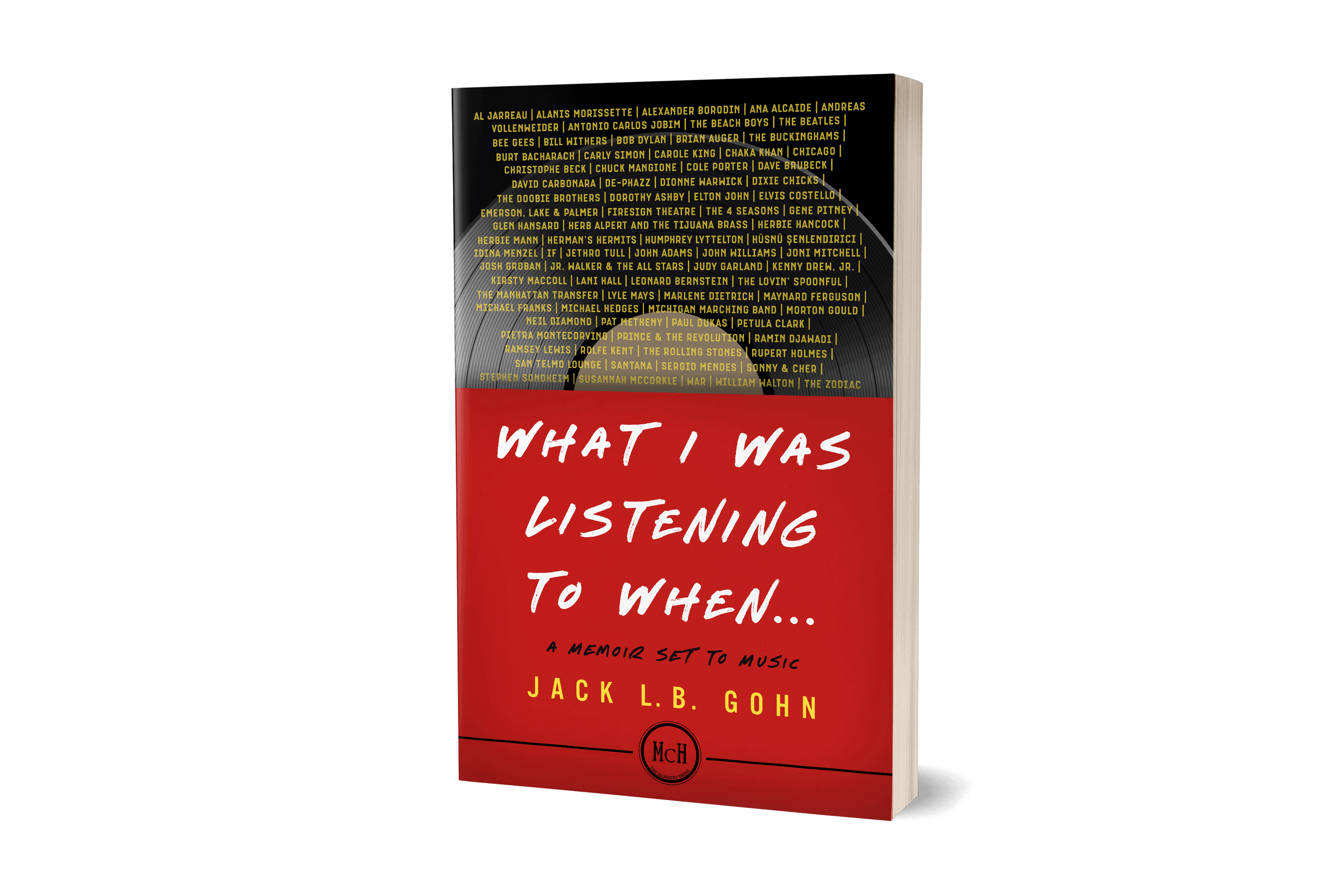
New Book!
What I Was Listening to When . . .
A Memoir Set to Music

Jack L. B. Gohn
Writer, Critic & Playwright
Though I practiced law for over a third of a century,
I have been a writer from childhood.
And even with a full-time practice, I never really stopped publishing in various papers, magazines and journals. I was bound to reach a point eventually of deciding I wanted to be a writer and nothing else. This website features three things I do now that the point has been reached. I review theater, write plays, and for a decade and a half, wrote a column commenting on law and policy. Common to all these pursuits is a commitment to fact and principles. You can’t run a society or write a play (or about one) well without candor, consistency, and a sense of humaneness and decency. Embodied in these pages is the history of my efforts in each of these pursuits.
Plays by Jack Gohn
I largely write about lawyers, but these are not conventional lawyer dramas. There’s a story of how legal careers begin, another about how they (and others) end. There’s a ghost story. There’s a thriller that does not include a single courtroom scene. And, moving away from my former profession, there’s a play about God – maybe told from God’s perspective, maybe not. And there will be more.
Theater Reviews & Commentary
Most Recent Post
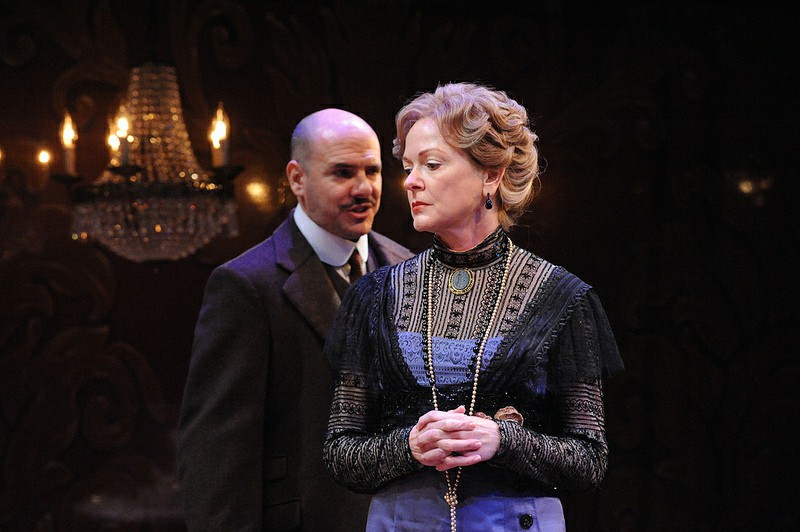
Priestley’s Savage AN INSPECTOR CALLS Shows Continued Topicality At Everyman
I was struck by how much of the subject-matter of An Inspector Calls resonated today, despite the play being a product of the 1940s set just before the First World War. For instance, there is Priestley’s approach to what we now call a “living wage.” A complementary up-to-date theme is the frequently unconscious nature of privilege. If Noel Coward and Bertolt Brecht had collaborated, they might have given us this very play.
Theater Reviews & Commentary
Most Recent Post
Priestley’s Savage AN INSPECTOR CALLS Shows Continued Topicality At Everyman
I was struck by how much of the subject-matter of An Inspector Calls resonated today, despite the play being a product of the 1940s set just before the First World War. For instance, there is Priestley’s approach to what we now call a “living wage.” A complementary up-to-date theme is the frequently unconscious nature of privilege. If Noel Coward and Bertolt Brecht had collaborated, they might have given us this very play.